



Errors: No Drives Were Found. Click Load Driver to Provide a Mass Storage Driver for Installation
- Microsoft Hard Disk Drive Driver Download
- Microsoft Hard Disk Drive Driver Downloads
- Microsoft Hard Disk Drive Driver Download Free
During the process of installing Windows OS on a specified HDD or SSD, you may surprisingly find that the hard disk is not detected during the Windows installation, with either of the following error messages coming along.
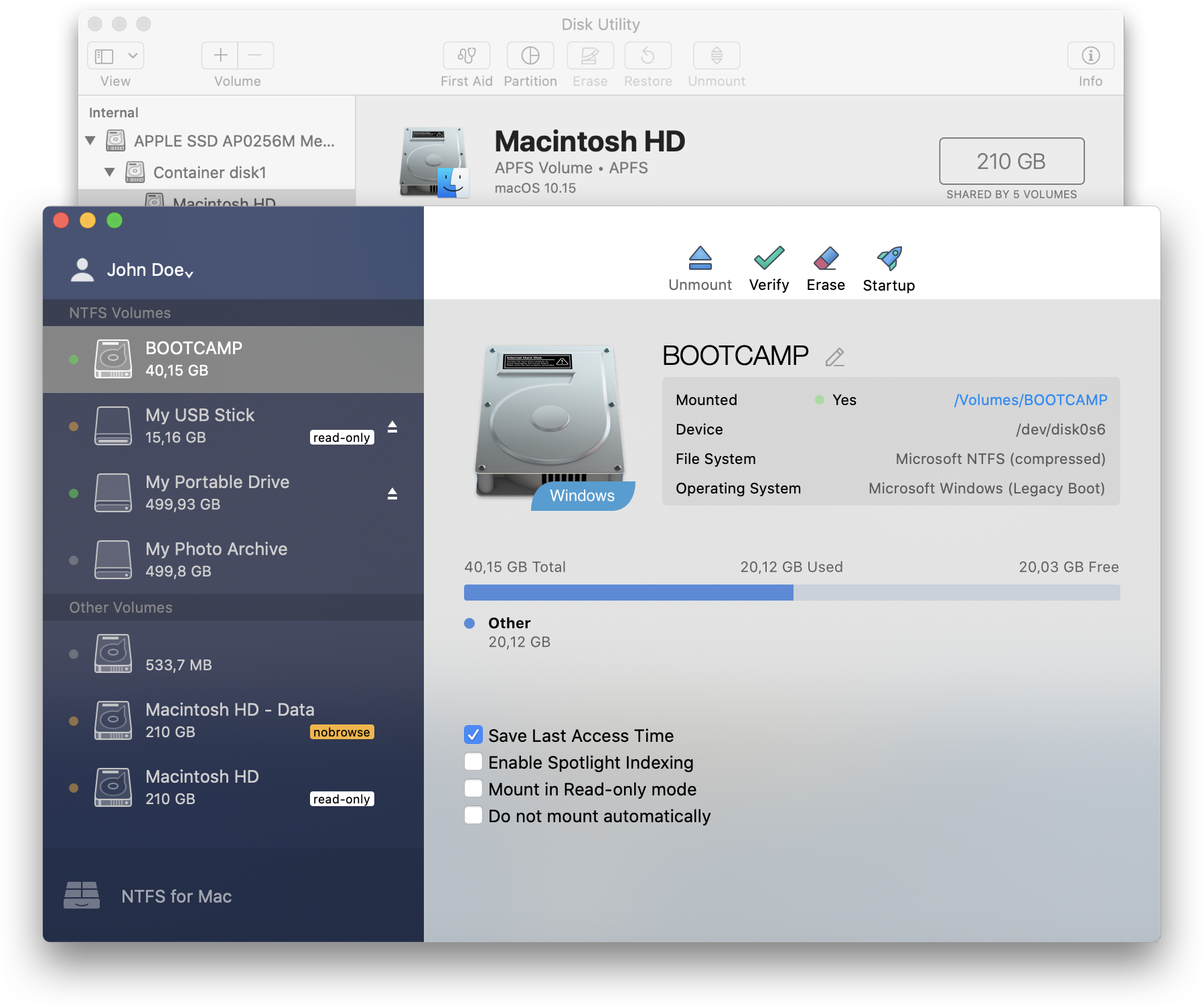
Click disk drives and check if there is a yellow exclamation mark with WD hard drive disk device. If it is, right-click WD hard drive, choose “Properties” and click Update Driver under Driver tab or click on “Uninstall”. Then, you can restart computer to see whether the WD hard drive is recognized by Windows 10. Method 5: Enable USB. You can use Disk Check in Windows 7 not only for local hard drives, but also for removable media such as USB memory sticks or memory cards. Note Please make sure that you close all open programs and files before you start the disk check. Right-click the Start Windows icon. In the shortcut menu, click Open Windows Explorer. If you select this option, this hard disk will not be recognized by Windows versions earlier than and including Windows XP. Check the Disk Management window to verify that the disk is initialized. If it is, the status row for that disk at the bottom of the window should indicate that the disk is Online.
'We couldn't find any drives. To get a storage driver, click Load driver.' 'No drives were found. Click Load Driver to provide a mass storage driver for installation.'
However, clicking 'Load Driver' doesn't solve the problem at all. What's the next move then? Have you found viable solutions to troubleshoot hard disk not detected in Windows 10 or Windows 7 installation even it's normally connected to the computer?
| Workable Solutions | Step-by-step Troubleshooting |
|---|---|
| 6 Solutions to Fix Hard Drive Not Detected | Method 1. Use a Different SATA Port...Full steps Method 2. Load RAID Driver for RAID Disk...Full steps Method 3. Check the Hard Drive in BIOS...Full steps More ways... |
| Bonus Tip: Free Partition Manager to Enhance System Performance | Launch EaseUS Partition Master on your PC > Free up space...Full steps |
How to Fix Hard Disk Not Detected in Windows 10 Installation
Even though Windows 10 or Windows 7 installations include almost all disk drivers, the 'No drives were found. Click load driver to provide a mass storage driver for installation' issue occurs from time to time and you find no way to out. When you encounter Windows 10 install not detecting hard drive or Windows 7 couldn’t find any drivers to get storage driver problems, try the practical six ways below.

Method 1. Use a Different SATA Port
If you are using a desktop computer, try using a different SATA port and see if that helps at all. Sometimes they come with two different controllers.
Method 2. Load RAID Driver for RAID Disk
Windows 10 install not detecting hard drive mostly occurs on RAID disk. In this case, you need to load RAID drivers manually to fix the issue.
Step 1. On the Windows Setup windows, you will see Where do you want to install Windows? And there is no hard drive detected. Click 'Load Drivers' at the bottom left of the screen, then click 'Browse' to choose the device driver.
Step 2. Go to your computer or storage device to find and load an available RAID driver.
Step 3. After the device diver has been loaded, Windows 10 installing will successfully detect the hard disk. Then, follow the onscreen instructions to install Windows.
Method 3. Check the Hard Drive in BIOS
Otherwise, take some time to check if hard drive shows up in BIOS, especially you're installing an operating system from a bootable USB or CD/DVD disc.
By holding and pressing F2, you'll enter BIOS settings. See if the hard drive showing up there. Click solution to repair hard drive not showing in BIOS.
If not, check your BIOS settings for the following parameters:
* SATA configuration -> Enhanced
* Configure SATA -> AHCI
Method 4. Check the Status of Your Hard Drive
Step 1. Press Windows + R and the window will pop up.
Step 2. Input devmgmt.msc and press Enter.
Step 3. Choose Disk Drives and right-click the hard drive.
Step 4. Click Properties and check the status of your hard drive. If it is Ok, showing 'This device is working properly'.
Method 5. Boot from Windows 10 Install Media
Microsoft also provides a method about boot from the Window 10 Install Media. You can take these steps to fix the issues 'drive not showing up when Windows 10 install'.
Step 1. Choose Install Now > Accept License Agreement > Choose the installation type and click 'Custom Advanced'.
Step 2. Press Shift + F10.
Input each command and press Enter: DISKPART > list volume > select disk* > clean > convert mbr > create partition primary > active > format quick fs=ntfs >exit
Then you can install Windows again.
Method 6. Ask Help from the Manufacturer
Since the manner of installing or reinstalling Windows OS happens so frequently that most personal PC or desktop manufacturers have built-in checking tools for quick troubleshooting and repair. For example, Dell Online Diagnostic Tool, Lenovo Diagnostic Software for Hard Drive Quick Test, etc. So if you're their customers, feel no hesitate to ask help from the manufacturer and learn how to use tools to fix hard drive not detected issues alright.
Bonus Tip: Free Partition Master to Enhance System Performance
You can enjoy the exciting features of the latest system after successful Windows 10 installing. Furthermore, to enhance system performance and let software and hardware cooperate to achieve an optimal operating state, it’s necessary for you to have free partition management software, which enables you to organize and optimize your hard drive to extend your computer's life and capableness.
EaseUS Partition Master Free is a versatile partition management program that provides one-stop partition and disk management solutions, for instances:
- Resize/move partitions by sliding the partition left and right or enter the exact partition size you want, such as increase C drive to speed up your computer (move space from D drive to C drive supported by paid version)
- Create, format, delete, copy, and merge partitions
- Clone an entire disk to another even the destination partition is smaller than the source
- Convert file system from FAT32 to NTFS, convert MBR to GPT, convert dynamic disk to basic disk and vice versa, and so on
- Completely wipe out all the data on hard disk permanently
Now, download this ultimate Windows 10/8/7 disk management tool and follow the simple steps below to resize and move your partitions.
Step 1. Launch EaseUS Partition Master on your PC.
Step 2. Free up space to extend partition.
If the hard drive has enough unallocated space to extend the target partition, jump to Step 3, and continue. If not, free up space first:
- Right-click on a partition next to the target partition and select 'Resize/Move'.
- Drag the partition ends to free up space, leaving enough unallocated space behind the target partition, click 'OK'.
Step 3. Extend partition.
- Right-click on the target partition and select 'Resize/Move'.
- Drag the target partition handle into the unallocated space to extend partition.
Step 4. Keep all changes.
- Click the 'Execute Operation' button and click 'Apply' to keep all changes.
Windows 10 Install Not Detecting Hard Drive FAQs
1. How do I fix no device drivers found?
Fixes for No Device Drivers Were Found:
Solution 1. Switch to a USB 2.0 Port
Solution 2. Set the partition where you want to install Windows to as Activeewe
Solution 3. Create a New Disc
Solution 4. Enable the xHCI hand-off Option in BIOS
Solution 5. Change everything to legacy and set the boot device to your DVD or USB
2. Where do you want to install Windows 10 no drives were found?
To fix 'No drives were found. Click load driver to provide a mass storage driver for installation', do it in the following way:
Step 1. Click 'Load Drivers' at the bottom left of the screen, then click 'Browse' to choose the device driver.
Step 2. Choose and load an available RAID driver.
Step 3. After Windows 10 installing successfully detects the hard disk, follow the onscreen instructions to install Windows.

3. Where do you want to install Windows 7 no drives were found?
Fix: No Hard Drives Found in Windows 7 Installer:
Solution 1. Format the hard drive using diskpart in command prompt.
Solution 2. Load the hard drive storage controller drivers from a USB into the Windows setup.
Solution 3. Change the boot controller mode in BIOS.

Solution 4. Reset BIOS.
Solution 5. Use a different SATA port.
4. How do I install drivers for my hard drive?
The basic steps to install drivers for a hard drive are:
Step 1. Configure the drive as a master or slave device (PATA only).
Step 2. Mount the drive in the chassis.
Step 3. Connect the data cable to the drive and to the PATA or SATA interface.

Step 4. Connect a power cable to the drive.
Step 5. Restart the system and run the BIOS Setup.
Step 6. If you are also installing a PATA or SATA interface card or RAID adapter, configure that card per the maker's instructions and attach the cables to it.
If your hard drive disappeared or failed to show up in Windows 10/8/7, don't worry. This page will show you how to effectively fix hard drive disappeared error in Windows Explorer/Disk Management. If hard drive disappeared issue fixed but data lost, use EaseUS Data Recovery Wizard to recover lost data from the hard drive.
Hard drive disappeared after Windows 10 update
'Does anyone know how to make the disappeared hard drive to show up again in Windows 10? My computer received the latest Windows 10 update last night, and it automatically installed the update. The problem is that I could not see the second hard drive in File Explorer after the computer restarted. I rebooted the computer but the hard drive still disappeared. Is there a way that can help me to make the disappeared hard drive show up in Windows 10?'
When the hard drive disappeared on Windows computer, you'll not be able to visit and access the saved data. And this will result in data loss, storage space shrinking issue and other more problems. So what can you do when the hard drive disappeared on your PC? If you are facing such a problem, relax! Effective methods are available here to help now.
If it's SSD not showing up in Windows 10, go to the other page to find solutions. In addition, some of the linked page's solutions are also applicable to the HDD disappeared issue, like rescan, initialize, and check hard disk errors...
| Workable Solutions | Step-by-step Troubleshooting |
|---|---|
| Case 1. Hard drive disappeared in Explorer | Method 1. Run hardware and device troubleshooter to fix the drive issue...Full steps Method 2. Perform partition recovery...Full steps |
| Case 2. Hard drive disappeared in Disk Management | Method 1. Update device driver...Full steps Method 2. Change the drive letter...Full steps |
Quick fix hard drive disappeared issue in Windows 10
When hard drive failed to show up on Windows PC, you can try to connect your hard drive with a different USB port to see if it helps or not.
If not, you can also try to connect the hard drive to another computer to check if the issue replicates or not.
If the problem gets solved, you may need to change a new USB cable line or hard drive cable.
If the problem still exists, don't worry. Just follow the next offered methods to fix hard drive disappeared in Windows 10 error now.
Fix hard drive disappeared in File Explorer error
When you open File Explorer, and you cannot view the hard drive partition there, like D drive, E drive, and other data partitions, you can try the next two methods for help.
Method 1. Run hardware and device troubleshooter to fix hard drive disappeared issue
1. Press 'Windows + R' keys.
2. Type 'control' and press enter to open the control panel.
3. Type 'troubleshooting' in the control panel search box and open it.
4. Click 'view all' on the left pane.
5. Run the hardware and devices troubleshooter and follow the on-screen instructions.
Method 2. Perform partition recovery with EaseUS Partition Recovery
Windows update deletes a hard drive partition, or you accidentally perform 'Delete Volume...' in Disk Management, the hard drive will be in 'unallocated space' state. Windows 10 will not recognize a hard drive partition showing up as unallocated. You can create a new partition on the unallocated drive to make it show up again. Creating a new hard drive would help Windows system detects the drive as new, but the hard drive data is gone forever.
There are two ways to protect hard drive data from disappearing: [1] Directly perform a whole partition recovery instead of creating a new one; [2] Recover hard drive data after creating a new drive. Both ways are meant to rescue data on a disappeared hard hard drive storage, but the former method is more preferred. EaseUS Partition Recovery is able to recover the entire hard drive along with data on it.
Go to the product page and download EaseUS Partition Recovery, and follow the guide to show up a disappeared hard drive as well as data in Windows 10.
Step 1: Run EaseUS Partition Recovery on your PC.
Select the disk or device where you lost partition(s), click 'Scan' to continue.
Step 2: Wait for the scanning process to complete.
Let the program scan selected disk and find the lost partition(s).
Step 3: Preview and restore lost partition(s).
Double-click on the partition which is marked as 'Lost' with 'Good' recoverability.
Preview the content of the lost partition. Click 'OK' and click 'Proceed' to start restoring the lost partition.
Step 4: Click 'Recover Now' to finish the partition recovery process.
Note: If the program warns you that there is a conflict, back up the listed partition with essential data to an external hard drive first. Then execute the final operation to restore your lost partition.
If you choose to create a new partition on unallocated space and need data recovery afterward, then choose EaseUS Data Recovery Wizard to recover hard drive data. Being different from Partition Recovery software, using Data Recovery Wizard won't help recover a disappeared hard drive but only data on it.
Fix hard drive disappeared/not showing up in Disk Management
If the hard drive disappeared or failed to show up in Disk Management, the next two steps can easily help you out.
Step 1. Update device drivers in Windows 10
1. Right-click on the Start button and select 'Device Manager'.
2. Expand one of the categories to find the name of your device, then right-click it, and select 'Update Driver'.
3. Select 'Search automatically for updated driver software'.
If Windows doesn't find a new driver, you can try looking for one on the device manufacturer's website and follow their instructions. Otherwise, you can try to reinstall the driver by doing like this:
1. Open Device Manager, right-click the name of the device and this time select 'Uninstall device'.
2. Restart your PC and Windows will attempt to reinstall the driver.
Step 2. Change drive letter of disappeared hard drive
1. Press 'Windows + R' keys to bring up the Run dialog.
2. Type'diskmgmt.msc' and press enter to open disk management.
Microsoft Hard Disk Drive Driver Download
3. The disappeared hard drive can be detected now, right-click on it and select 'change drive letter and paths'.
Microsoft Hard Disk Drive Driver Downloads
4. Click 'change' and assign a different drive letter.
Microsoft Hard Disk Drive Driver Download Free
5. Save the changes, restart the computer and check again.